
Catering online ordering
Your checkout can take a burger. It cannot take Thursday.
The comparison
The same enquiry, through both checkouts
Forty people, Thursday at twelve, delivered to a city office, four of them gluten free. Watch where one of them stops.
Both live on their own site. The customer picks the one they came for.
-
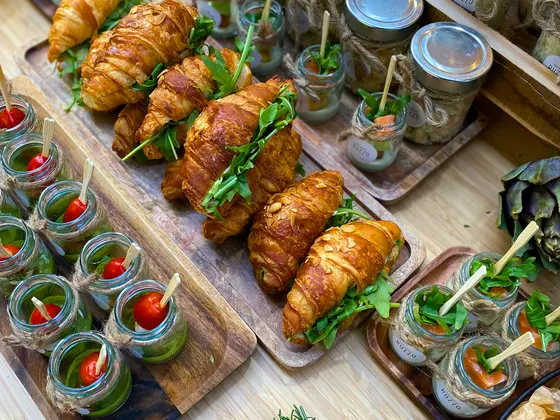 Sandwich platter
serves 10
$68
−0+
Sandwich platter
serves 10
$68
−0+
-
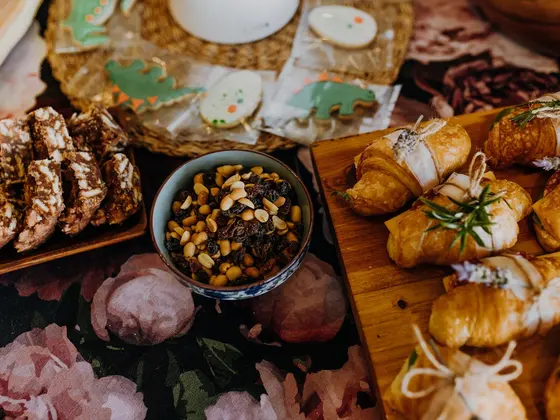 Grazing board
serves 25
$210
−0+
Grazing board
serves 25
$210
−0+
-
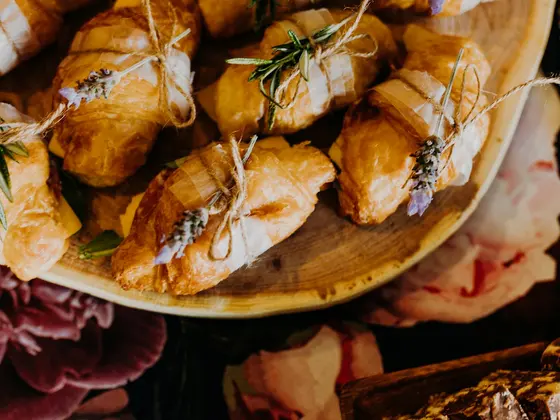 Morning tea platter
serves 10
$54
−0+
Morning tea platter
serves 10
$54
−0+
-
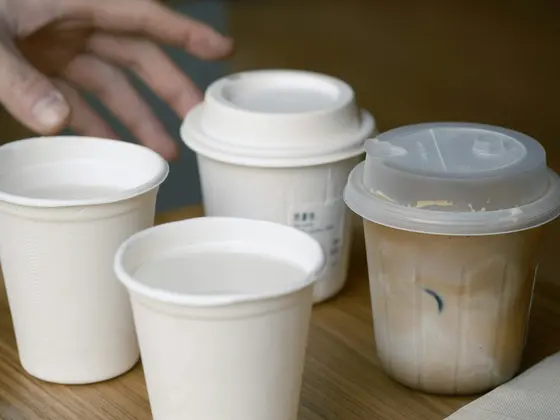 Barista coffee
per cup
$4.50
−0+
Barista coffee
per cup
$4.50
−0+
- 2 × Sandwich platter$136
- 1 × Grazing board$210
- 1 × Morning tea platter$54
- 40 × Barista coffee$180
Same customer, same website — and this time they never had to ring.
What goes wrong
What bundling catering into takeaway ordering costs you
None of these look like lost revenue at the time, which is exactly why they persist.
- 01
The customer decides you do not do this
They cannot find a way to say "Thursday, forty people". The absence of the field reads as the absence of the service, and they go and look at a caterer whose site asks the right questions.
- 02
It arrives as a phone call instead
Mid-service, on a busy Friday, with no written record. The details are half-remembered and the order competes with whoever is standing at the counter.
- 03
Or it arrives as an email that nobody owns
It sits in a shared inbox next to invoices and spam. Nobody is quite sure whether it was answered, and there is no way to tell without reading the thread.
- 04
You quote it by hand, again
Every catering order becomes a bespoke conversation, even the ones you have done a hundred times — because the checkout could not price it, so a person has to.
- 05
And you find out too late to cook it
A takeaway checkout has no cutoff and no capacity, so nothing stops an order landing for tomorrow that needed three days.
How it works
Built around the shape of a catering order
Every one of these is a field the takeaway pattern does not have.
Sell by the head, or by the platter
Products that know they serve ten, or price per person. The cart thinks in guests and works the portions out, instead of asking a customer to do division.
A real date, and a real slot
You set slot length, how many orders each one takes, and how many hours before it closes. A customer cannot book a Thursday you cannot cook.
Pickup, drop-off or delivery
Configured separately, because they are different jobs. Delivery prices itself from the zones you draw, and the address is captured properly rather than in a note.
Dietary and allergens, across a headcount
Four gluten free out of forty is a split, not a modifier on one item — so it reaches the kitchen as a number to cook, not a comment to read.
A deposit now, the balance on the day
Set the percentage. Asking for a thousand dollars up front is a reason not to order at all.
And it lands as a job, not a docket
The order becomes an event in your diary for that date, with the prep on your run sheet and the money on the P&L. Nothing is retyped.
03 — In their words
Caterers who love CaterCloud
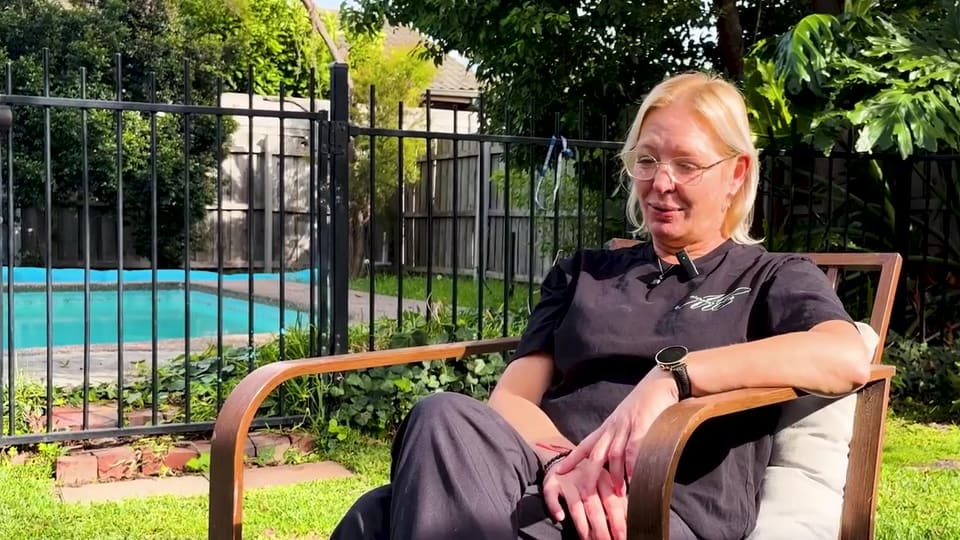
“The moment I realised this was actually working was waking up in the morning and having the leads in my inbox already — without chasing the business. I've gone from one booking a month to three or four.”
Michelle
Owner, Michelle's Catering
50–60% of leads converted
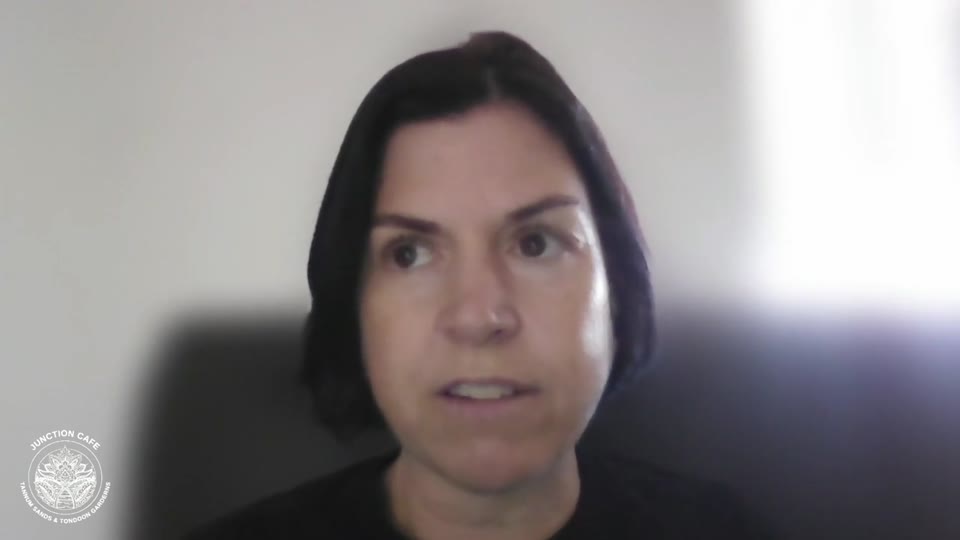
“I run three businesses, so chasing quotes and back-of-house was really hard work. Now people order and pay through the website and get a quote instantly — I don't have to lift a finger.”
Mel
Owner, Junction Cafes
2–3 a day enquiries, was 2–3 a week · admin halved
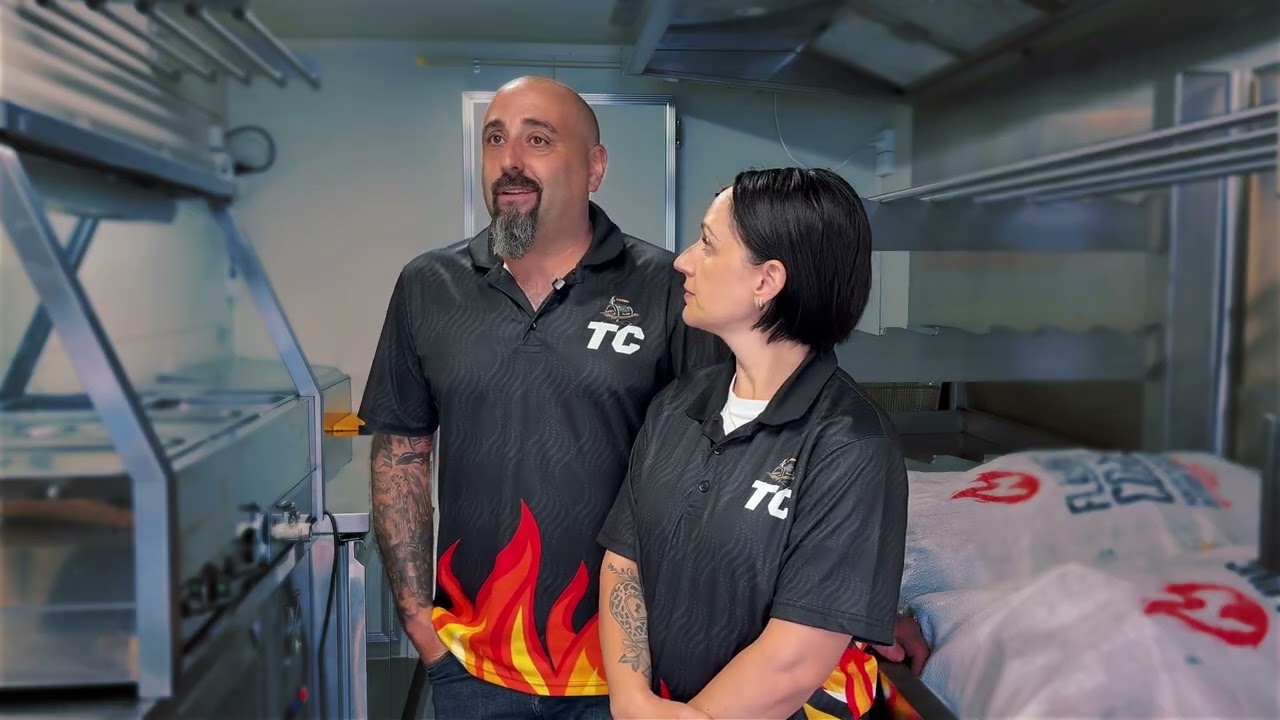
“This software does it all for us — our invoicing's done, our payment schedules are done, the quoting tool's there. We can be asleep and still get leads. Without it, our truck would be sitting in the backyard not generating revenue.”
Steve & Amanda
Owners, Travelling Carnivores
45–55 quotes sent / month
“We've collected $40k just in deposits. Our calendar is filling up — we're actually in the process of getting a second van. One job alone basically paid for the whole system.”
Jacinto
Owner, Spanish Paella & Sangria
$40k in deposits

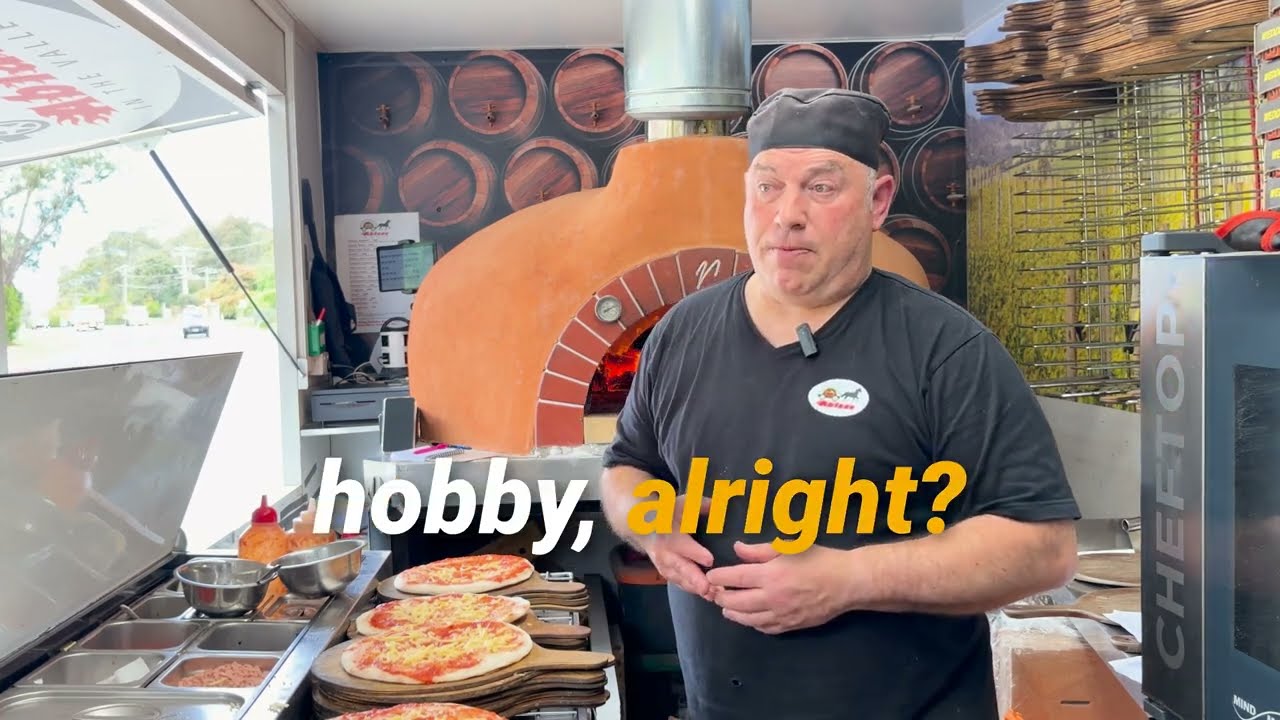
“These guys know how to improve your web page and the inquiries coming in. I'm three months into next year already confirmed — that's never happened in 12 years.”
Stephen
Woodfired pizza, Ablaze in the Valley
Who it is not for
When this will not help
You only sell takeaway
If nothing you sell is ordered ahead for a group, your existing checkout is the right tool and this is a field you would never fill in.
Every catering job needs a site visit
If you cannot price anything without seeing the venue, an online order is the wrong shape — an enquiry form is honest, and the booking page will serve you better.
You want table reservations
This sells food for a date. It does not seat covers at sittings, and a restaurant booking system will do that far better.
Questions
What people ask about online ordering
- I already take orders through Square or Shopify. Why add this?
- Keep them for what they are good at. They are built for takeaway — one person, a few items, as soon as possible, paid in full — and that is most of your trade. Catering is a headcount on a future date going to an address, with a dietary split and usually a deposit. Those are fields, not preferences, and a takeaway checkout does not have them. Run both: the takeaway checkout for takeaway, this for catering.
- Can customers order for a date weeks away?
- That is the point of it. You set how far ahead you accept orders, the length of your slots, how many orders you will take in each one, and how many hours before a slot ordering closes. A customer picks a real date and a real time, and cannot pick one you cannot serve.
- Pickup, delivery, or drop-off?
- All three, configured separately, because they are genuinely different jobs. Each has its own slot length, capacity and cutoff, and delivery prices itself from the zones you draw.
- Do I have to take the whole payment up front?
- No. Set a deposit percentage and the customer pays that now, with the balance due on the day. For a $1,000 order, asking for the lot up front is a reason not to order.
- Does this work for a cafe or a food truck, not just a caterer?
- Yes, and that is usually where it earns the most. A cafe already sells coffee and lunch through a normal checkout; the catering orders are the big ones arriving by phone and email, and they are the ones worth capturing properly. Same for a food truck taking office lunches or event bookings alongside daily trade.
- What happens when an order comes in?
- It becomes a job in your diary for that date, with its prep, not a docket in a queue. The food is on your run sheet, the money is on the event, and the customer has a confirmation with the balance on it.